
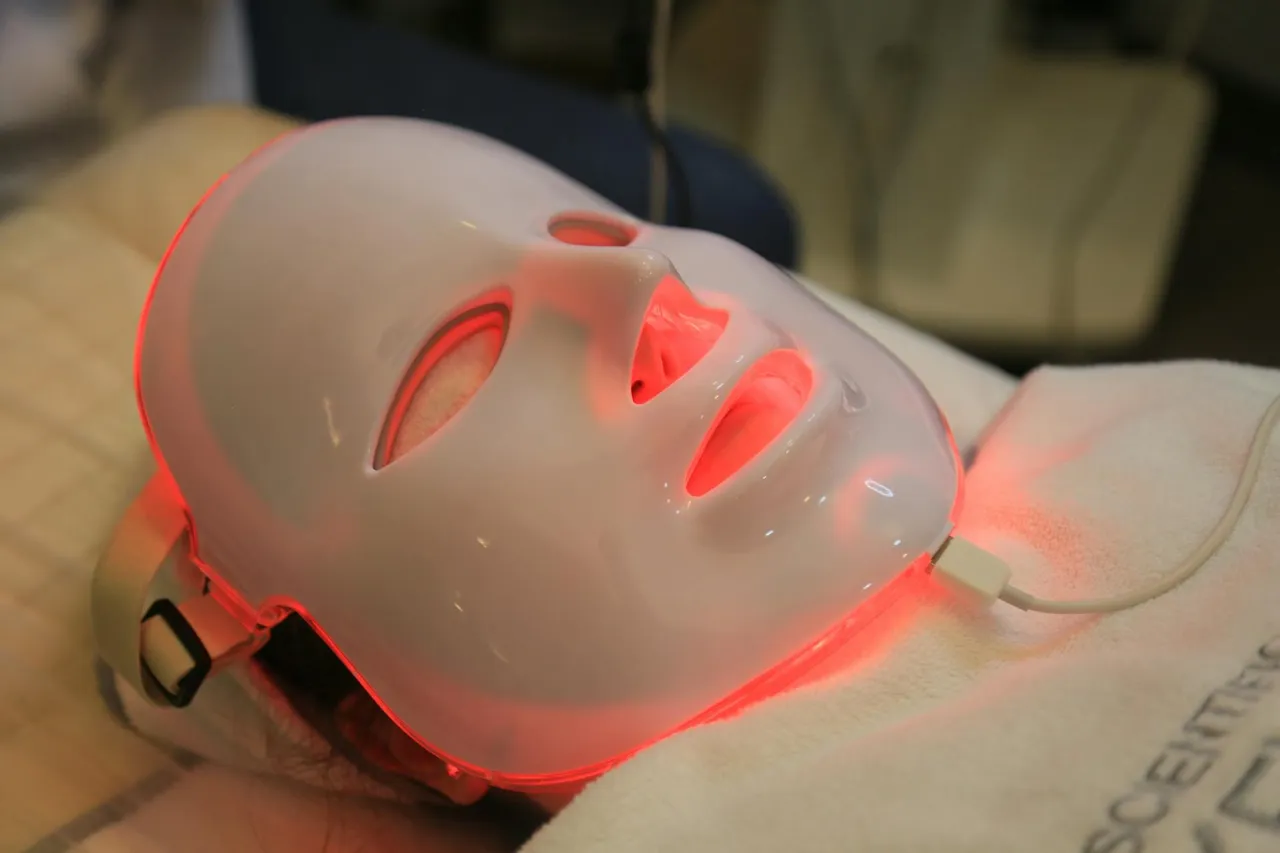
Client receiving red light therapy treatment

For Wellness & Biohacking Franchise Networks

Members using 3+ modalities generate 40-60% more lifetime value. Drive adoption to capture it all.

6 modalities, each with distinct staffing requirements and margin profiles, under 1 membership. The network that can see utilization by modality and location and guide members into multi-service protocols turns operational complexity into the moat single-service competitors cannot cross.

Where It Breaks

The patterns that determine network revenue, running without coordination.

01

The franchisor has no view into which modalities are underutilized, and which locations are leaving the highest-margin services idle.

Cryotherapy, infrared sauna, red light, IV therapy, compression, and hyperbaric oxygen all run through the same booking platform, but the franchisor sees aggregate session counts, not modality-level utilization by location. IV therapy drives the highest margin per session by a significant multiple. HBOT drives the next tier. But which locations have IV bays sitting empty because of scheduling gaps, and which are structured to capture it? That data exists in the system. The benchmarking layer to surface it across 200+ locations does not.

02

When the RN does not show up, the entire IV revenue day is cancelled. No system predicts when that is about to happen.

IV therapy requires a state-licensed RN on shift. When the RN calls out, every IV booking for that day is gone, while cryo, red light, sauna, and compression run unaffected. The staffing constraint is managed by text message between the general manager and a pool of part-time nurses. HBOT adds a second clinical staffing gate: certified operators with FDA safety compliance obligations. No scheduling platform treats either of these as the bottleneck resource it is, and the franchisor has no network-wide view of which locations have adequate coverage and which are losing high-margin revenue to a staffing gap they could have predicted.

03

Members who use only one modality churn at significantly higher rates. Nothing in the system identifies who they are or intervenes before they leave.

Multi-modality members (those using three or more services) churn at materially lower rates than single-modality members. The behavioral mechanism is protocol adherence: a member who is in week eight of a structured recovery protocol has switching costs. A member who uses cryotherapy once a week and nothing else does not. But the booking platform does not distinguish between these two member types, does not track protocol adherence over time, and does not generate protocol-relevant outreach when a member narrows their modality usage, the pattern that precedes cancellation. The front desk team handling check-ins, orientation, and cross-sell simultaneously cannot do this work manually at scale.

What We'd Examine

Every multi-modality network has these dynamics. How they play out in yours is what the workshop is for.

Cross-modality utilization mix and revenue attribution by location

How is session volume distributed across your modalities at a given location, and how does that distribution correlate with location performance? Can the franchisor identify which locations are under-utilizing high-margin services relative to network averages, and does any system currently distinguish between a location that underperforms because of market conditions and one that underperforms because its IV bays sit empty three days a week?

RN and clinical staffing coverage mapped against demand

How many of your locations have experienced revenue loss from IV days cancelled due to RN absence in the past quarter, and how was that loss tracked, if at all? Is HBOT operator certification status visible at the franchisor level for locations that have launched or are planning to launch hyperbaric? And does anything in your current system predict demand by modality far enough in advance to shape staffing decisions proactively?

Single-modality concentration and protocol adherence across the member base

What percentage of active members at a representative location use only one modality, and how does their churn rate compare to multi-modality members in your data? Can the franchisor see which locations successfully convert trial visitors into multi-modality protocol adherents, and which lose them after a single session? When a member's visit frequency drops or their modality range narrows, what is the earliest point at which the system or the staff recognizes it?

The Discovery Phase

BeForm maps this picture against how your network actually operates.

Over approximately four weeks, we work through your franchise system: cross-modality utilization data, clinical staffing visibility, protocol adherence patterns, your booking platform and data landscape, and what the franchisor can actually see between field visits across 200+ locations. The output is a prioritized opportunity map. Yours to keep, regardless of what you decide next.